What Port Gellhorn is
Port Gellhorn is the smallest headline on GTA 6's region list and maybe the most interesting one: a faded coastal town on Leonida's Panhandle, a long way in every sense from Vice City. Official material attaches two things to the name so far — motels and a fight club — and that pairing tells you the tone Rockstar is going for. It earned equal billing with Vice City, the Keys, Grassrivers, Ambrosia, and Mount Kalaga when the official site's location pages went live: a full named region whose whole identity is decline.
A beach town past its prime
"Faded" is the operative word in the official framing. Port Gellhorn reads as the kind of coastal strip that boomed once and never repainted: cheap motels along the water, attractions that stopped earning their keep, an economy running on whatever still moves. The real Florida Panhandle is dotted with towns like this — old-school beach destinations that time and newer resorts passed by — and that is the reference space Rockstar appears to be drawing from, as analysis rather than official statement.
What makes the region promising is exactly what makes it unglamorous. GTA thrives on places where money is short and rules are negotiable, and a motel-strip town supplies both by definition. Notice what the official material chooses to show: motels rather than resorts, a fight ring rather than a nightclub. The region's pitch is its economy, and the economy is survival.
The fight club
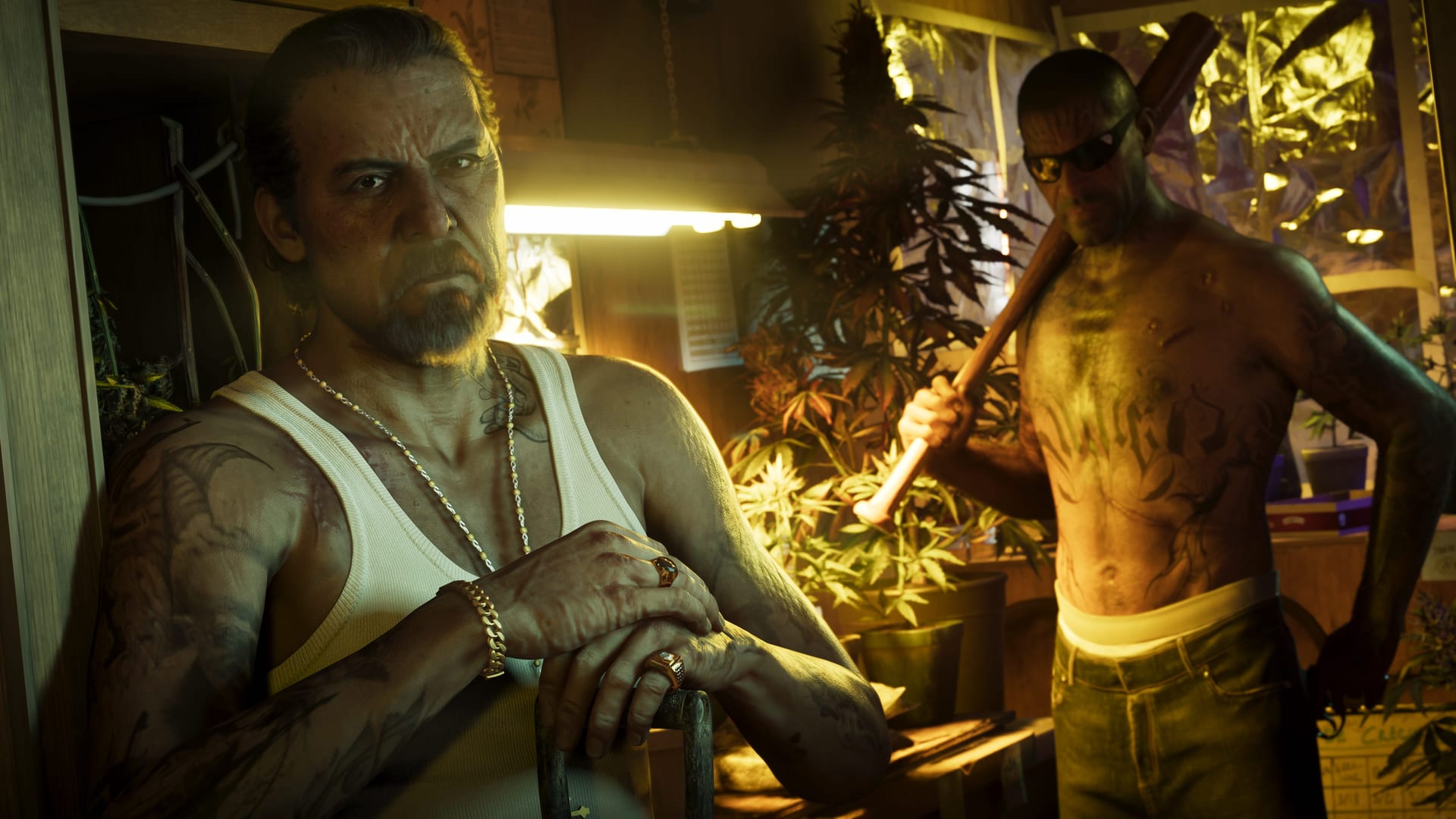
The concrete confirmed detail: official GTA 6 media shows a fight club in Port Gellhorn. Bare-knuckle entertainment in a fading beach town is a very deliberate world-building stroke — it announces an economy that has moved indoors and off the books. It also fits a pattern players will recognize: Rockstar likes giving each place one signature pastime, and handing Port Gellhorn a fight club instead of a golf club is the whole town summarized in a single design choice.
Whether the fight club is a mission set piece, a repeatable activity, or scenery is unconfirmed. Melee combat improvements and activity systems are exactly the kind of thing a gameplay reveal would cover, and no such video exists yet — see the Trailer 3 watch for what is and is not coming.
The underground economy angle (analysis)
Label this section as analysis. Put the official pieces side by side — cheap motels, a fight club, a coastal town described as faded — and Port Gellhorn sketches itself: a place where cash moves through back rooms, and where people who cannot operate in Vice City can operate here. Leonida's wider official picture supports the reading; the neighboring region descriptions include smuggling in the Keys and biker gangs in Ambrosia. The fight club is the visible tip: where there is an off-the-books ring, there are bookies, fixers, and rooms rented by the month — none of it confirmed, all of it implied.
None of that adds up to confirmed mechanics, businesses, or missions in Port Gellhorn. It adds up to a tone — and Rockstar set that tone on purpose.
The anti-Vice City
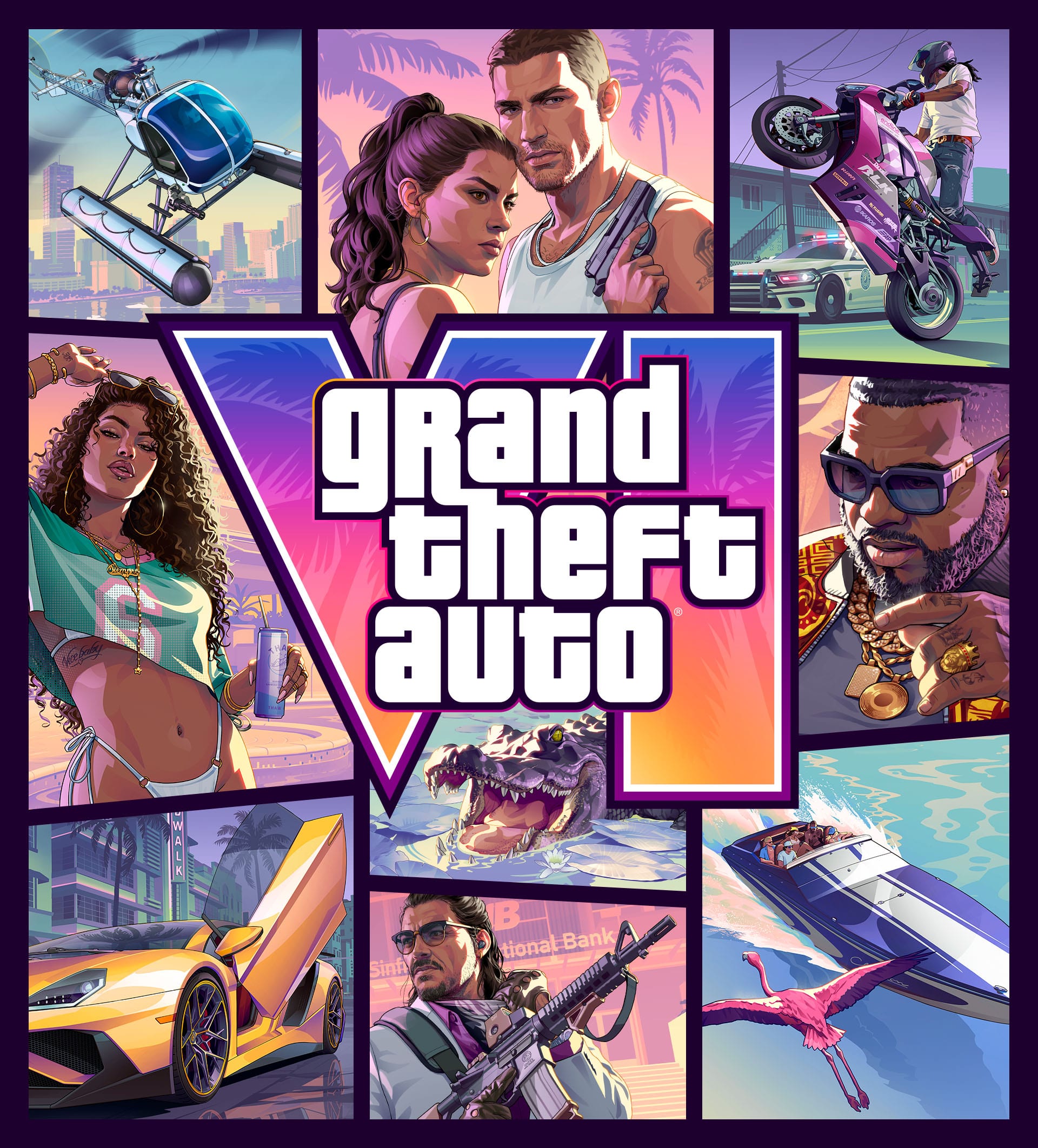
Every Rockstar map argues with itself, and Port Gellhorn is positioned as Vice City's rebuttal. One coast has a Ferris wheel on the cover art, influencer nightlife, and money everywhere; the other has motel vacancy signs and a fight ring. For players, that contrast is texture. For the story, it is a pressure valve — the place characters go when the city gets too hot, too expensive, or too watched. The marketing itself makes the argument: cover art and key art sell neon and water, while the fight club sits in the official media like a counterweight.
Vice City is where Leonida performs. Port Gellhorn is where it stops pretending.
Why secondary towns matter in Rockstar worlds
This is analysis by comparison. Red Dead Redemption 2's world worked not because Saint Denis was huge but because Valentine, Rhodes, and Van Horn each had their own economies, tensions, and regulars — small anchors that made travel feel like arriving somewhere, not just leaving somewhere. Saint Denis needed Valentine to feel like a metropolis; Vice City needs Port Gellhorn the same way. Port Gellhorn is the clearest sign that GTA 6 inherits that philosophy: a named region whose entire identity is being a specific small place, not a suburb of the big one.
If the community map-size estimates are even close, Leonida will need anchors like this — a map twice GTA 5's size with only one real destination would feel empty, and the six-region structure suggests Rockstar knows it.

Confirmed vs open questions
| Topic | Status |
|---|---|
| Port Gellhorn as a named Leonida region | Confirmed |
| Faded Panhandle coastal town with motels | Confirmed framing in official material |
| Fight club | Shown in official media |
| Underground-economy gameplay, businesses, missions | Unconfirmed — analysis only |
| Town size, layout, and real-world inspiration | Unconfirmed |
What would upgrade this guide
- Official screenshots or captions that name Port Gellhorn streets, businesses, or landmarks.
- Confirmation of whether the fight club is a playable activity.
- Story material connecting named characters to the town — none of the eight confirmed character bios mentions it.
- A trailer sequence set on the Panhandle coast, which would likely arrive with the next official video.
Keep exploring Leonida
Head back to the main map guide for the full state, check the locations tracker for the current confirmed-versus-rumor line, see what the official screenshots actually prove, or browse everything in the map hub.
Frequently asked questions
- What is Port Gellhorn in GTA 6?
- One of the six officially named regions of Leonida: a faded coastal town on the state's Panhandle. Official material associates it with motels and a fight club, positioning it as the run-down counterpart to Vice City.
- Is Port Gellhorn based on a real place?
- Rockstar has not named a real-world inspiration. The official framing — a faded Panhandle beach town — evokes old Gulf Coast destinations that newer resorts passed by, but any specific real-town mapping is fan analysis.
- Does GTA 6 have a fight club?
- Official media shows a fight club in Port Gellhorn. Whether it is a playable activity, a mission location, or backdrop has not been confirmed.
- Is Port Gellhorn as big as Vice City?
- No sizes have been published for either, but the official framing is clear: Vice City is the state's major city, while Port Gellhorn is a smaller faded coastal town with its own identity.
Source note: Official Rockstar material is treated as confirmed. Community claims stay labeled as analysis or rumor until Rockstar confirms them.
More in Map & Leonida
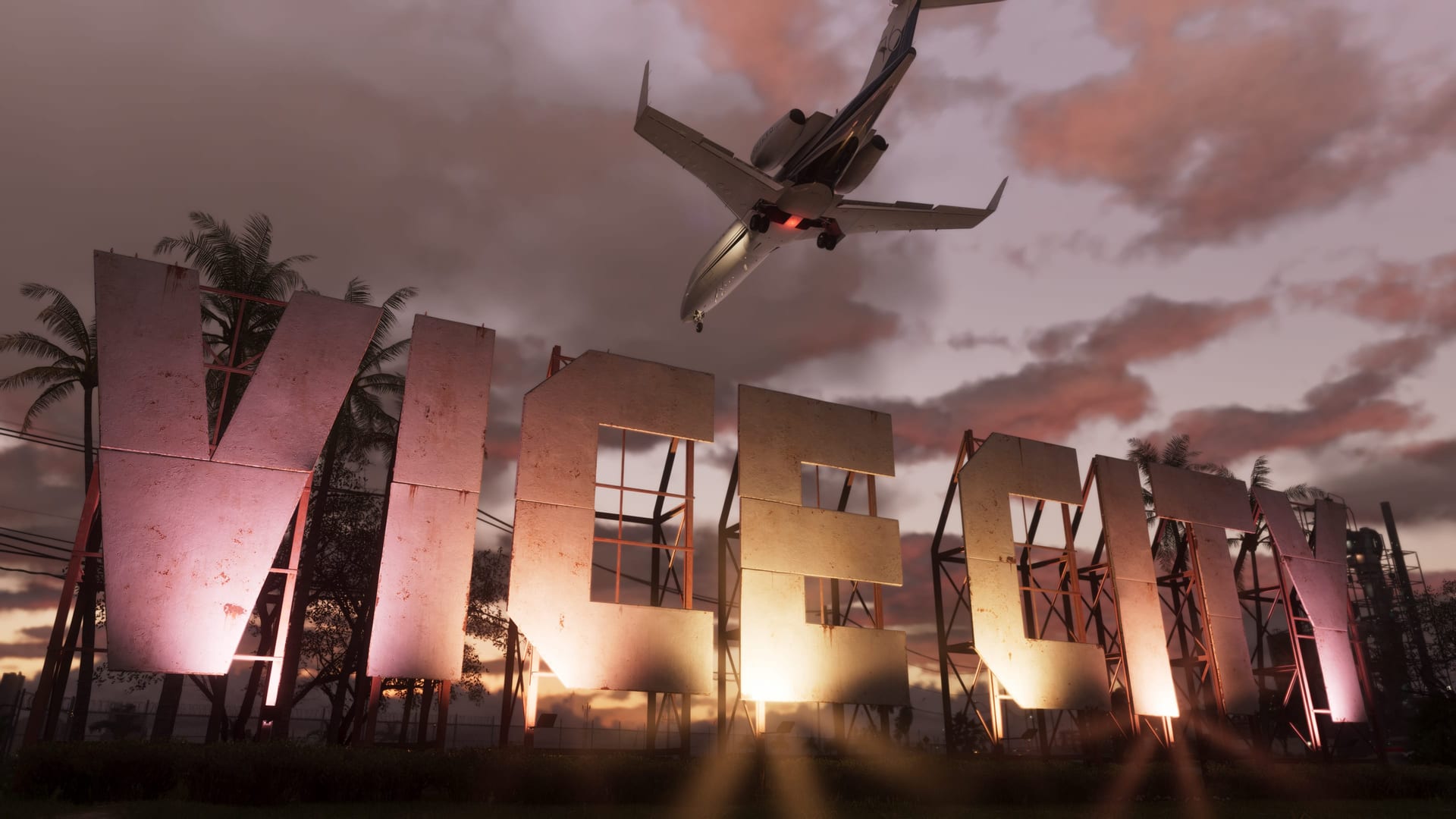
GTA 6 Vice City Guide: Ocean Beach, Downtown, the Ferris Wheel, and Every Official Detail
Tour Vice City in GTA 6: the Miami inspiration, Ocean Beach, the waterfront Ferris wheel, confirmed Ultimate Edition businesses, and what is still unknown.
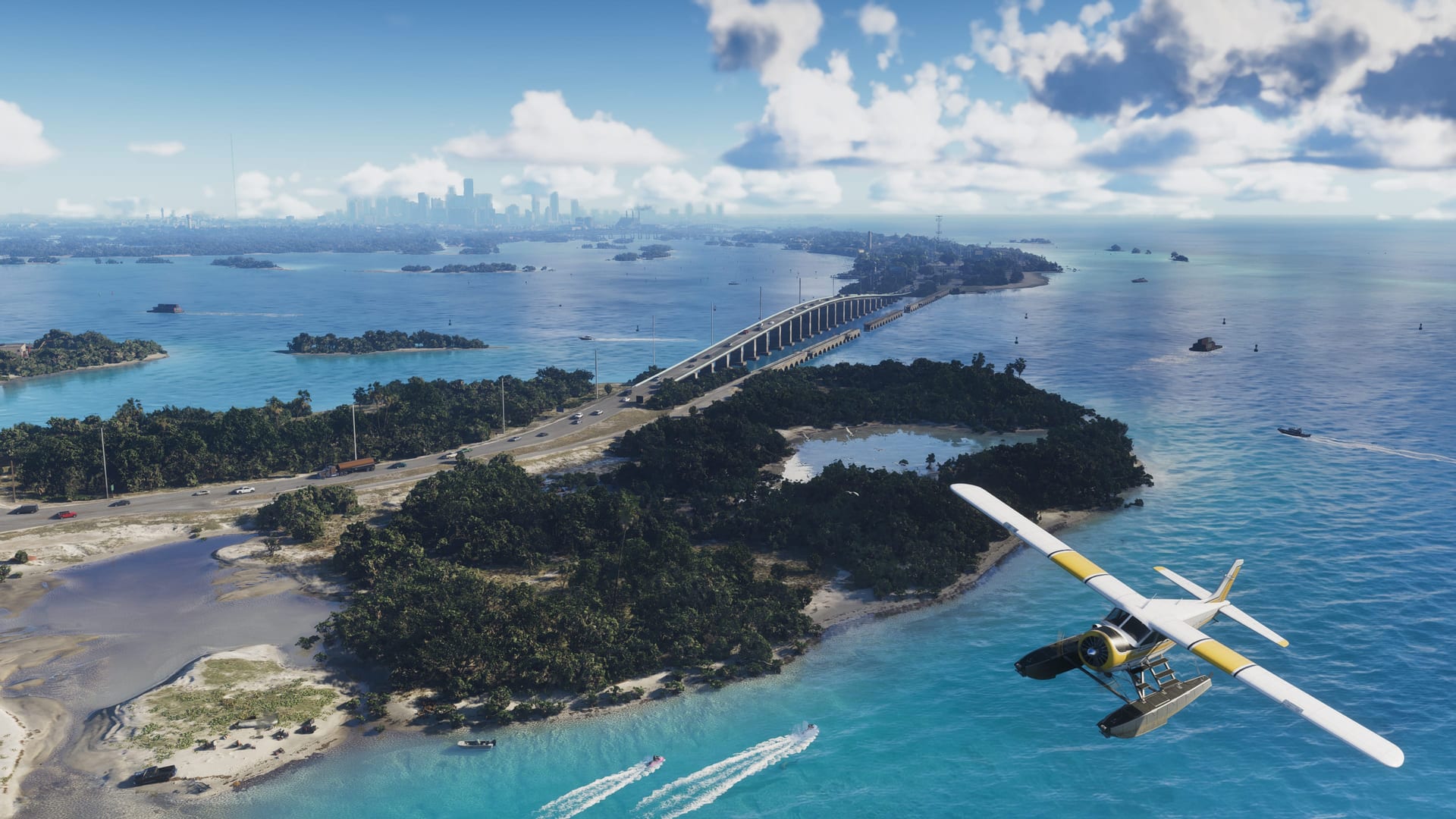
GTA 6 Map Size vs GTA 5: How Big Is Leonida Really?
Rockstar finally gave GTA 6 map size numbers: 2x GTA 5, 3x Red Dead 2's playable area. The exact quote, the misread 11x figure, and what is still unknown.
GTA 6 Leonida Keys Guide: Overwater Highways, Smuggling Lore, and Jason's Home Turf
Explore the Leonida Keys in GTA 6: the Florida Keys inspiration, overwater highways, Jason's home at Brian Heder's boat yard, and what boat content signals.
GTA 6 Map: All 6 Leonida Regions, Vice City Landmarks, Size Estimates, and Open Questions
Explore all six official GTA 6 regions — Vice City, Leonida Keys, Grassrivers, Port Gellhorn, Ambrosia, Mount Kalaga — plus size estimates and open questions.