The strange power of saying almost nothing
The strangest thing about GTA 6 is not how much Rockstar has shown. It is how little Rockstar has needed to show. A trailer lands, a few official screenshots appear, a line of story copy mentions Jason, Lucia, Vice City, and Leonida — and the internet does the rest. Fans freeze frames, compare storefront wording, argue about traffic density, zoom into background signs, and turn a passing shot of a motel, bridge, swamp, or convenience store into a week of theories.
That is not normal marketing in the old sense. Most games need a steady calendar of previews, interviews, developer diaries, influencer beats, and gameplay explainers to stay visible. GTA 6 has the opposite problem. If Rockstar says too much, it risks shrinking the mystery. If it says too little, the silence becomes an event. The gap between official updates is not empty space; it is where the GTA 6 machine keeps running.
This long read is not a tracker and not a countdown. It is a look at why GTA 6 can dominate attention with fewer public beats than almost any other game, why that strategy works, and where it could still become risky.
GTA is the rare game that markets itself
Most game marketing starts by teaching people why they should care. GTA does not have to start there. Grand Theft Auto is already a shared language: crime satire, radio stations, open-world chaos, police chases, absurd side characters, expensive cars, city lights, and the feeling that anything could happen between one mission and the next. Even people who do not follow gaming closely understand that a new GTA is not just another release.
That gives Rockstar a luxury other publishers rarely have. It can withhold details and still stay central. Fans do not interpret a quiet month as absence; they interpret it as pressure building. A single official artwork update can feel like a milestone because the audience has already agreed that every official crumb matters.
The danger for smaller games is invisibility. The danger for GTA 6 is overexposure. Rockstar seems to know that difference. It does not need to convince the world that GTA 6 exists. It needs to preserve the feeling that GTA 6 is too big to fully understand yet.
The trailer is not just a trailer anymore
For many games, a trailer is a sales asset. For GTA 6, a trailer is closer to a public document. It is watched once for excitement, then watched again for story, then watched again for map clues, then watched again for the kind of details most trailers never expect anyone to study. That frame-by-frame culture changes what Rockstar can do with official footage.
A normal viewer sees Vice City color, highways, beaches, police lights, clubs, phones, animals, boats, convenience stores, and Jason and Lucia under pressure. A GTA fan sees possible systems, returning satire, regional identity, car culture, crowd density, brands, locations, NPC behavior, and clues about how Leonida might be structured. The same minute of footage becomes entertainment, evidence, and community fuel.
That is why GTA 6 articles that work online often feel like detective work. The successful format is not “here is the trailer.” It is “here is what the trailer is quietly telling us.” IGN-style detail breakdowns, PC Gamer-style takeaway pieces, and fan forum deep dives all work because the material rewards obsessive attention. GTAWiki should lean into that, but with original observations and clear rumor boundaries.
Silence creates theory, and theory creates traffic
The long wait around GTA 6 has created an unusual kind of content economy. Every unanswered question becomes a search query. Will PC launch later? How big is Leonida? What does Lucia’s story mean? Is Jason ex-military? Will GTA Online connect on day one? Will the radio update? Will the world be more realistic? How much of Trailer 2 is gameplay? Each unanswered question creates room for analysis.
That room is useful, but it is also dangerous. If a site fills every gap with fake certainty, it becomes leak bait. If it refuses to analyze anything until Rockstar confirms every detail, it becomes boring. The right middle path is what strong gaming long reads do: build an argument from public material, say where the evidence comes from, and admit where the line ends.
For GTAWiki, that means the voice should be confident but not fake-exclusive. We can say “this is what the official material suggests.” We should not say “this is confirmed” unless Rockstar, Take-Two, a storefront, or an official channel confirms it.
Rockstar is selling a feeling before a feature list
One reason GTA 6 does not need normal marketing is that the first job is not to explain mechanics. The first job is to make the world feel inevitable. Vice City is not presented as a bullet point. Leonida is not presented as a spreadsheet of districts. Jason and Lucia are not introduced like character-select options. The official material sells mood first: heat, pressure, bad decisions, speed, money, social media, beaches, police, neon, wildlife, and the sense that the state itself is ready to boil over.
That matters because GTA is not bought only for missions. Players buy the fantasy of living inside a place. Los Santos worked because it felt like a city with its own jokes, traffic, neighborhoods, brands, and habits. Red Dead Redemption 2 worked because the world had memory and texture. GTA 6 has to make Leonida feel like more than a bigger map. It has to make the state feel like a machine that keeps producing stories even when the player is doing nothing important.
That is the promise fans are reading into every shot: not just “how big is it?” but “does it feel alive?”
The fan community is part of the campaign now
Rockstar does not have to publish a daily blog when fans, YouTubers, forums, Reddit threads, and gaming sites will generate a daily conversation from small amounts of official material. That does not mean Rockstar controls every theory. It means the audience is now part of the distribution system.
A trailer drop creates reactions. Reactions create breakdowns. Breakdowns create counter-breakdowns. One fan notices a sign. Another connects it to a real Florida location. A YouTuber turns it into a theory. A gaming site writes about the theory. Search interest spikes. The original trailer keeps gaining views. None of that requires a traditional preview campaign.
September 2026 produced the cleanest example of this yet. Rather than publish a soundtrack announcement, Rockstar appears to have let the artists break it themselves: on September 15, ten acts including Travis Scott, Morgan Wallen, PinkPantheress and Keith Richards posted new Grand Theft Auto VI artwork to their own accounts within hours of each other, and the coverage treated it as an official reveal even though Rockstar published nothing at all. Our soundtrack guide separates what that wave actually establishes from what the headlines claimed.
This is also why GameSight-style video companion pages can matter for GTAWiki. A video can start the emotional argument, and the article can turn that argument into a readable, searchable, source-safe long read. The site should not just embed videos; it should translate video energy into durable pages that people can find later.
Why every other publisher watches GTA 6 carefully
GTA 6 is not only a game release. It is a gravity event. Other publishers have to think about release windows, marketing oxygen, player attention, creator coverage, ad budgets, and platform storefront placement. Even games that do not compete directly with GTA still compete with the same calendar, the same YouTube feeds, and the same gaming-news front pages.
That is why industry-analysis pieces around GTA 6 perform well. The story is bigger than “when can I play it?” It is also “what does this do to the rest of the industry?” A huge release can pull attention away from smaller games, reshape content calendars, and make other publishers decide whether to launch before, after, or far away from the blast radius.
For readers, this is interesting because it makes the wait feel bigger than fandom. GTA 6 is already affecting how games are talked about before it is even on store shelves.
The risk of a hype machine this large
The same strategy that makes GTA 6 feel unstoppable also creates a problem: fans can imagine a version of the game no studio could actually ship. If every silent month is filled with theories about full building interiors, perfect AI, realistic police systems, endless online features, advanced relationship mechanics, extreme map density, and PC-level mod futures, the imagined GTA 6 becomes larger than the real one.
This is where good coverage has to be more honest than hype channels. A long read can be excited and still useful if it separates desire from evidence. The question is not “can we invent the biggest possible feature list?” The question is “what does the official material actually support, what does Rockstar’s design history suggest, and what would be a reasonable leap?”
That kind of writing may be less explosive than fake leaks, but it builds trust. Trust is what a fan site needs if it wants repeat readers instead of one-time rumor clicks.
What GTAWiki should do differently from here
GTAWiki should still keep trackers for release dates, preorders, PC status, and rumor boundaries, because those pages answer clear search questions. But trackers should not be the personality of the site. The main voice should be long-form: cinematic, analytical, fan-aware, and useful.
The stronger direction is a magazine-style GTA 6 library: deep reads on Leonida, Jason and Lucia, the trailer economy, YouTube hype, Rockstar’s marketing silence, PC rumor psychology, GTA Online expectations, and how GTA 6 compares with GTA V and Red Dead Redemption 2. Those are the pages people might actually read for several minutes, share, argue with, and return to.
In other words, GTAWiki should stop trying to look like a spreadsheet of updates and start reading like a sharp fan magazine that respects the facts.
The bottom line
GTA 6 does not need normal marketing because the audience has become the marketing channel. Rockstar can release less because every official detail travels farther. The trailer is not just a video; it is a research object. The silence is not empty; it is a theory engine. The fan community is not waiting quietly; it is building the conversation in public.
That does not mean Rockstar can do anything and win. Expectations this large can turn heavy. But it does mean the path for a fan site is clear: do not chase every rumor. Do not publish thin countdowns forever. Write the kind of informed, energetic long reads that make the wait itself worth reading about.
Frequently asked questions
- Is this article reporting new Rockstar information?
- No. It is analysis based on public official material, fan behavior, and gaming-media patterns around GTA 6.
- Does GTA 6 still need gameplay marketing?
- Yes. Before launch, Rockstar will still need to show enough about systems, editions, platforms, and purchase details. The point is that GTA 6 can wait longer than most games before doing that.
- Should fans trust every theory during quiet periods?
- No. Quiet periods create speculation. Treat theories as theories until Rockstar or official storefronts confirm details.
Source note: Official Rockstar material is treated as confirmed. Community claims stay labeled as analysis or rumor until Rockstar confirms them.
More in Long Reads
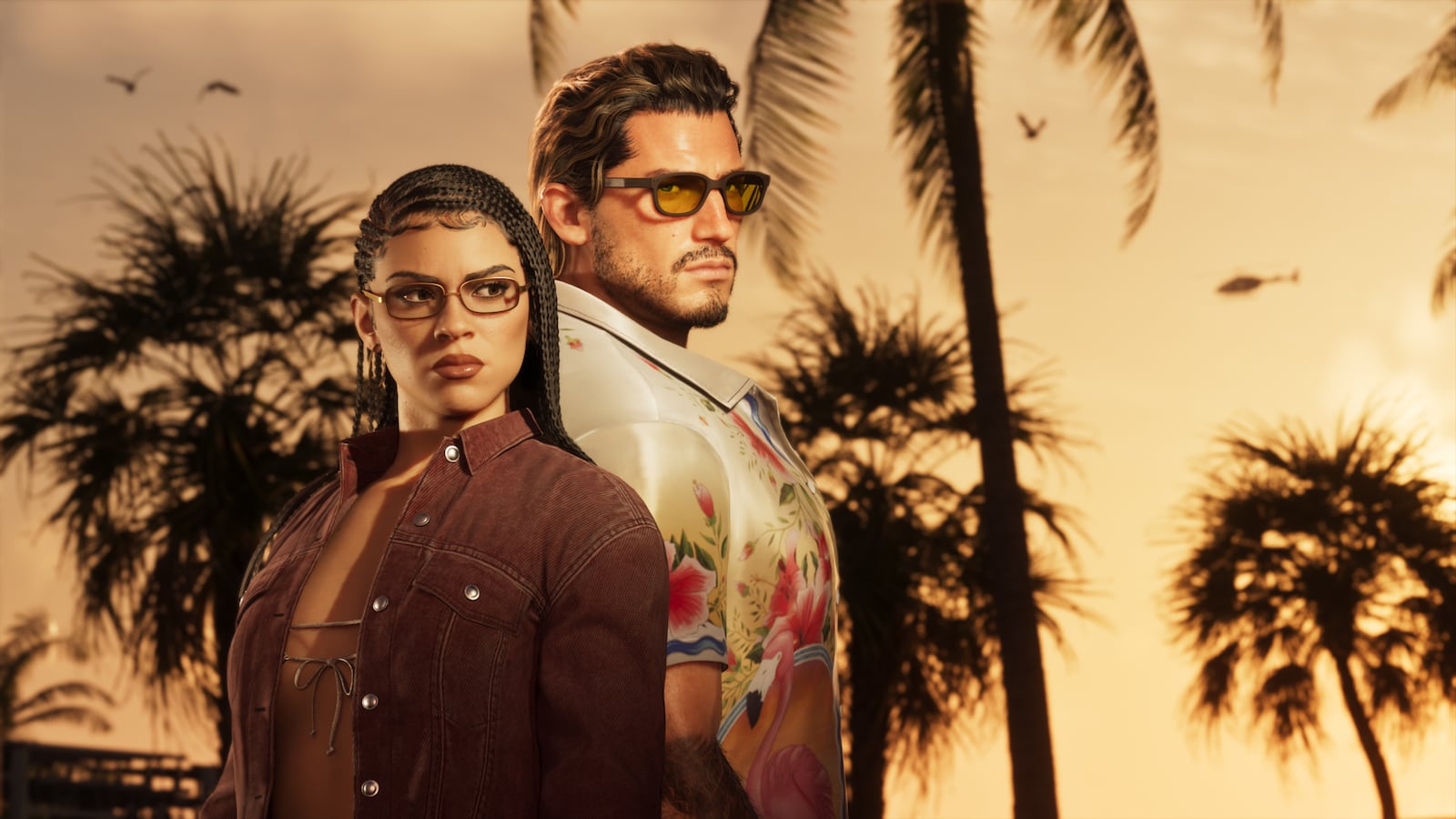
GTA 6 Trailer 3 Panic Says More About the Hype Machine Than the Game
A magazine-style GTA VI long read on why Rockstar's Ultimate Edition preorder post immediately turned into Trailer 3 anxiety, and what that says about modern GTA fandom, official-source boundaries, and the marketing machine around Leonida.
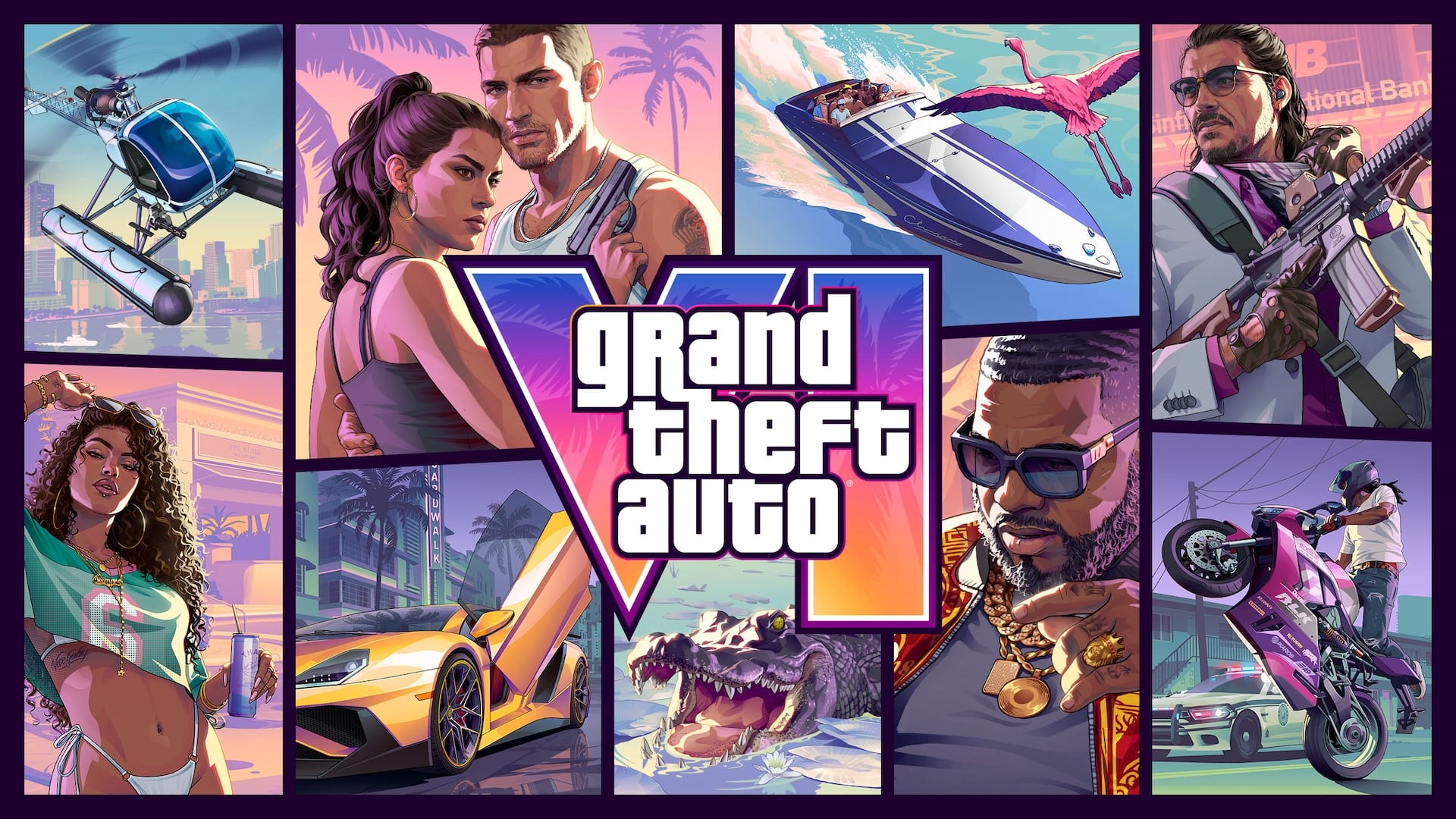
GTA 6 Cover Art Is the Moment the Hype Becomes Real
A magazine-style GTA 6 long read on why Rockstar's cover art and June 25 preorder beat matter: Jason, Lucia, Leonida, retail pressure, fan theory, and official-source boundaries.